
2025 WhatsOK Impact Briefing
Our Website & Helpline
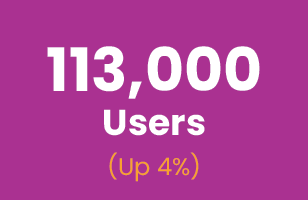
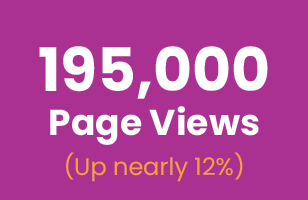
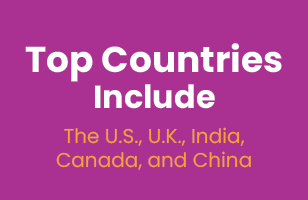
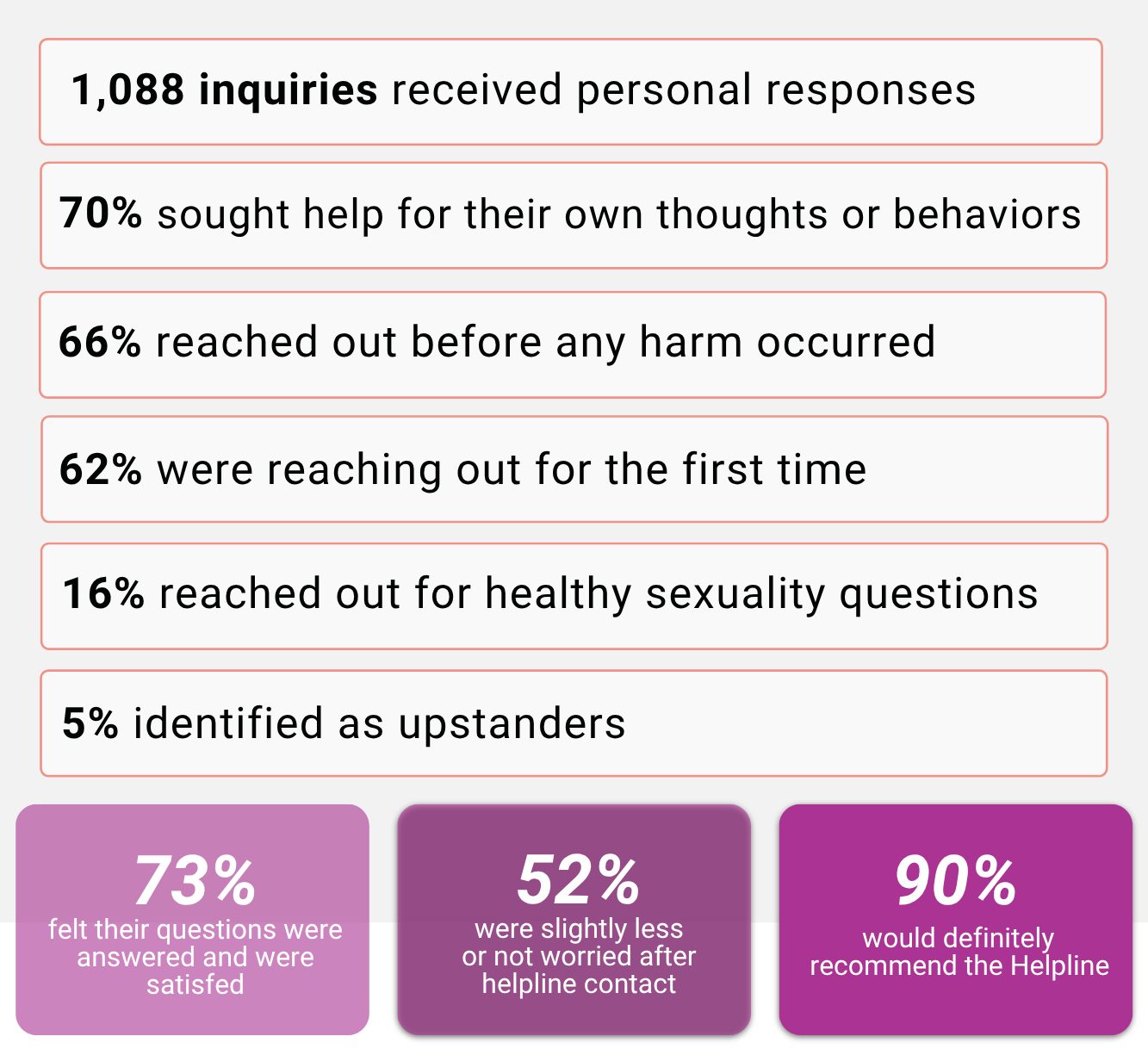
In 2025, WhatsOK? continued to expand its reach as a trusted, judgment-free resource for youth navigating complex questions about sexual thoughts, feelings, and behaviors. Review our 2025 website analytics in the column to the left and our helpline data in the column on the right below. The numbers tell a powerful story:
people are reaching out earlier, seeking guidance before harm occurs,
and finding support when they need it most.
Website Analytics
Helpline Analytics
Who’s Reaching Out?
Youth continue to seek clarity, reassurance, and accountability around deeply sensitive topics—often before harm occurs.
The majority of users (54%) are seeking help for their own thoughts and behaviors. These “self-help” users are often navigating fear, confusion, and shame, and are actively trying to understand themselves and avoid causing harm. Notably:
41% are under age 18
73% are male
Youth in nearly every state and over 74 countries
There has been a growing increase in 18–21-year-olds reaching out
Many users return for continued support, with repeat users nearly tripling this year
In addition, 37% of users are “upstanders”—individuals concerned about someone else’s behavior—demonstrating a growing willingness among peers and partners to intervene and seek guidance.
66% of users indicated they had engaged in or were at risk of engaging in sexually harmful behavior and were seeking help.
51% of self-help users who contacted What’s OK? were reaching out before they harmed someone.
Themes Young People Ask About
Fears of
negative labeling
Concerns about
past childhood behaviors
Compulsive or
online sexual behaviors
Sexual development,
boundaries, and
“what’s normal”
Guilt, shame,
and fear of consequences
Harmful vs.
age-appropriate behavior
Top Questions Asked on the Helpline
Top 10 Most Visited Blogs on the Website




Key Trends & Takeaways
WhatsOK is meeting a critical and largely unmet need by:
Providing early, confidential intervention for youth and young adults navigating concerning sexual thoughts and behaviors.
Preventing harm before it occurs—or preventing escalation after it has begun.
Offering accurate, shame-free guidance where few alternatives exist.
-
Most users reach out before or shortly after harmful behavior, creating a critical opportunity for early intervention.
-
The shift toward cyber-related issues (59%) reflects the realities of youth sexual development in digital environments.
-
WhatsOK is often the first and only place users turn, highlighting a major gap in traditional systems.
-
Users frequently frame concerns around: “Am I bad?”; “Do I deserve punishment?”; “Is something wrong with me?” The need for non-judgmental, accurate guidance is essential to prevention.
-
Growth in repeat users suggests WhatsOK is becoming a reliable, ongoing support system, not just a crisis response.

Looking Ahead
The data from 2025 makes one thing clear: the need for services like WhatsOK is not only real—it is growing.
As more individuals seek help earlier, particularly around online behaviors and emerging concerns, the opportunity to prevent harm before it occurs continues to expand.
WhatsOK is uniquely positioned to meet that need—offering a pathway toward safer choices, greater understanding, and ultimately, stronger protection for children and communities.
Support WhatsOK through Stop It Now!
WhatsOK is run by Stop It Now!: a non-profit organization that has worked for over 30 years to help keep children and youth safe from sexual harm. We are a program of the Klingberg Family Centers. With funding from World Childhood Foundation, our primary goal is to help all individuals live healthy and safe lives, be accountable and responsible for the safety of children and youth, and work together to help people to speak up and take action early to keep everyone – including themselves – safe.
We are dependent on funding to keep the program growing and thriving, so if you would like to donate, please use the button to the left!
Contact the team behind the site at info@stopitnow.org.